Running Injury Physical Therapy: Understanding the Path Back to Comfortable Movement

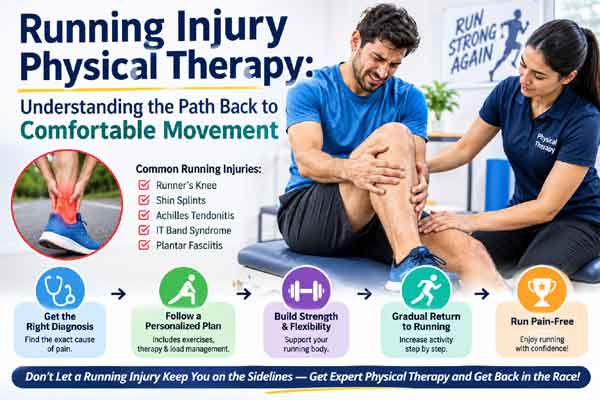
Understanding the runner’s unique history, mechanics, and lifestyle outside of running makes personalized assessments vital for effective recovery from injuries.
A physical therapist’s initial evaluation is key, covering a comprehensive medical history, a functional assessment, and a biomechanical analysis to help develop personalized treatment plans.
By pinpointing weaknesses in muscle groups, physical therapists can craft targeted recovery plans that focus on core stabilization, lower limb strength, and flexibility, ultimately speeding up healing.
Techniques involving manual therapy can deliver immediate pain relief and enhanced mobility, paving the way for a faster return to activities for runners.
Gait analysis reveals essential insights into running technique, allowing therapists to identify weaknesses and asymmetries that could lead to injuries, thus refining recovery strategies.
Increased body awareness and engagement through biofeedback assists in recovery, empowering runners to take an active role in their rehabilitation process.
Establishing realistic goals and tracking progress through milestones keeps runners motivated and accountable, transforming the recovery journey into a success-oriented partnership.
Why Personalized Assessment is Key for Recovery
Running injuries can be complex. Each runner’s body has its own characteristics. That’s where personalized assessment becomes essential. Experts understand the importance of an individualized evaluation in creating effective treatment plans. It’s not merely about addressing symptoms; it’s about grasping the entire picture—comprising the runner’s history, movement mechanics, and their life beyond running.
The Role of Initial Evaluations in Treatment Plans
A thorough initial evaluation often forms the bedrock of effective recovery. During this step, a qualified physical therapist performs a detailed examination that looks at flexibility, strength, and mechanics involved in running. Clients usually undergo a comprehensive review that includes:
- Medical History Review: A look into past injuries and how they’ve been treated.
- Functional Assessment: Analyzing body movements during running.
- Biomechanical Analysis: Identifying movement patterns that might lead to injuries.
This detailed information not only influences the type of therapy recommended but also helps customize every session to meet the person’s specific needs. That’s how professionals aim for optimal results.
How Identifying Weaknesses Speeds Up Healing
Weaknesses in certain muscle groups can give rise to compensatory patterns, leading to injuries. By identifying these weaknesses, therapists can put together a focused recovery plan. Runners often end up emphasizing:
- Core Stabilization: A robust core supports proper running mechanics.
- Lower Limb Strength: Enhanced leg strength translates to better endurance and reduced injury risk.
- Flexibility Enhancements: Increased range of motion can relieve stress on the joints.
When such weaknesses are tackled early, the recovery process accelerates. It’s simple yet crucial for achieving long-term success.
Targeted Therapy Techniques That Promote Faster Healing
Physical therapists come equipped with various techniques that facilitate a comprehensive return to running. Viewing running injury physical therapy as a personalized roadmap helps guide clients through their recovery.
Using Manual Therapy for Immediate Pain Relief
Manual therapy is often a go-to method for quickly alleviating pain. Techniques such as mobilization and manipulation help relieve muscle tension and enhance blood flow. For clients, this results in:
- Reduction in Pain: Quick relief from muscle tightness or joint discomfort.
- Improved Mobility: Increased ease of movement in affected areas, improving function.
- Enhanced Recovery Rate: Speeding up the return to activities, including running.
With manual therapy, athletes can shift from discomfort to readiness sooner than expected. It’s not only about alleviating pain but also about instilling a sense of physical freedom that fosters motivation.
Strengthening Exercises Tailored for Runners
Strengthening exercises focus not just on adding muscle mass, but rather on functionality and resilience. Runners benefit from specialized programs that cater to their fitness levels and sport demands. Common components of these regimens include:
- Dynamic Warm-ups: Pre-run routines that prepare the muscles.
- Resistance Training: Targeted exercises designed to increase strength without excessive bulk.
- Balance and Coordination Work: Vital for maintaining stability during movement.
Ultimately, these targeted exercises create a balanced physique, allowing athletes to handle more stress. As they rebuild strength, runners often find they can minimize the risk of future injuries. It’s akin to hitting the reset button, transforming limitations into newfound confidence.
Incorporating Technology: How Advanced Tools Aid Recovery
The integration of technology in physical therapy has opened new avenues for accelerating recovery. Tools deployed in runners’ recovery can greatly enhance outcomes. This optimization plays a vital role in the healing process.
Utilizing Gait Analysis for Precision in Treatments
Gait analysis can offer crucial insights that transform recovery approaches. Tracking how runners interact with the ground provides invaluable data about their movement patterns. Consequently, therapists frequently identify:
- Weaknesses in Technique: Understanding how running form may lead to injuries.
- Asymmetries: Recognizing differences between left and right legs.
- Foot Strike Patterns: Discovering whether they are heel striking or forefoot striking.
Precision comes from technology that examines every detail of movement. Such clinical insights can sharpen recovery paths, shifting from trial and error to informed decisions rooted in data.
Benefits of Biofeedback in Rehabilitation
Biofeedback acts almost as a personal coach during therapy sessions. This innovative method helps clients gain real-time awareness of their bodies. Runners utilizing biofeedback typically report:
- Improved Body Awareness: A heightened understanding of movement sensations.
- Controlled Relaxation Techniques: Techniques for stress relief through guided exercises.
- Ownership of Recovery: Enhanced personal involvement in the rehabilitation process fuels motivation.
This client-focused strategy combines scientific principles with personal experience, making recovery not just effective but also meaningful. Gaining independence throughout therapy can significantly reshape the runner’s journey.
Setting Realistic Goals: What to Expect from Your Therapy
Setting goals is more than an aspiration; it serves as a foundation for success. Runners engaged in physical therapy should think in terms of clear, achievable objectives. Realistic goals help align treatment with expectations and guide the recovery journey.
The Importance of Milestones in Recovery
Milestones represent significant markers along the recovery path, breaking down the broader goal of returning to running into smaller, attainable objectives. Potential milestones include:
- Range of Motion Improvements: Achieving specific angles at joints.
- Strength Benchmarks: Successfully completing targeted exercises.
- Pain Level Reduction: Monitoring decreasing discomfort over time.
Recognizing these achievements keeps clients engaged and motivated. Each step forward reinforces a sense of accomplishment, fueling the drive necessary to overcome obstacles. It’s those small victories that ultimately contribute to meaningful transformations.
How Progress Tracking Keeps Runners Motivated
Regularly tracking progress can serve as a motivational force. Maintaining a log of workouts, pain levels, and achievements brings multiple benefits. Clients often discover that:
- Visual Representation: Observing progress boosts motivation through tangible results.
- Accountability: Keeping track makes skipping sessions far less likely.
- Feedback Loop: Open discussions about progress allow for adjustments in strategy as needed.
Incorporating consistent feedback from therapists while achieving goals fosters a shared commitment. That accountability transforms physical therapy from an obligation into a collaborative effort focused on success.
In conclusion, navigating the path to recovery from running injuries may be challenging, yet it is achievable. With proper assessments, tailored therapy techniques, cutting-edge technology, and practical goal-setting, runners can markedly improve their overall recovery experience. Rather than merely bouncing back, they often return even stronger.
FAQ
Q.1 What types of running injuries can physical therapy address?
Ans. Physical therapy effectively addresses various running injuries, such as tendonitis, stress fractures, iliotibial band syndrome, and plantar fasciitis. Each condition necessitates a focused approach targeting immediate pain relief and the root causes.
Q.2 How often should runners attend physical therapy sessions during recovery?
Ans. Typically, runners might have physical therapy sessions once or twice weekly, depending on injury severity and recovery goals. The frequency can be adapted based on progress and individual needs, ensuring that therapy aligns effectively with the runner’s pace.
Q.3 Can physical therapy improve running performance even if there is no injury?
Ans. Absolutely. Many runners seek physical therapy with the aim of enhancing their overall performance, not just for injury management. A customized program can fine-tune mechanics, boost strength, and reduce injury risks while improving endurance and efficiency in running.
Q.4 What role does patient feedback play in the recovery process?
Ans. Patient feedback holds significant value in the recovery journey, influencing adjustments to treatment plans while making sure therapies meet individual needs. Transparent communication helps therapists gauge progress with greater accuracy and modify strategies that resonate best with the runner.
Q.5 Are there specific at-home exercises recommended for runners?
Ans. Certainly, physical therapists often prescribe at-home exercises tailored to fortify specific areas and enhance flexibility. These routines may encompass stretches, strength training, and balance drills to support ongoing recovery and avert future injuries.
Q.6 What should runners expect during a gait analysis session?
Ans. During a gait analysis session, runners can anticipate a comprehensive examination of their running form, often captured with video technology. Therapists evaluate foot strike patterns, symmetry, and overall mechanics, yielding critical insights necessary for refining treatment plans.
Q.7 How important is nutrition in the recovery process from running injuries?
Ans. Nutrition plays a crucial role in recovery, as appropriate fueling can accelerate healing and reduce inflammation. Runners may benefit from engaging a nutritionist to align dietary practices with their recovery goals, aiding a quicker return to activity.
Q.8 What is the typical timeline for recovery from running injuries with physical therapy?
Ans. The timeline for recovery varies significantly depending on the injury type and severity, but many clients might witness notable improvements within 4 to 6 weeks of initiating physical therapy. Commitment to the program and adherence to the treatment plan can often hasten this timeline.
Follow – https://www.healthcaresutra.com for More Updates