Why Regular Gynecological Checkups Matter Even When You Feel Healthy


Feeling healthy is reassuring, but it does not always mean that everything related to your reproductive health is functioning normally. Some gynecological conditions can develop without obvious symptoms, which is why preventive care remains important even when you feel perfectly well.
A regular gynecological checkup gives you a chance to discuss your menstrual cycle, reproductive health, contraception, fertility plans, sexual health, and other concerns. Choosing the best gynecologist in Gujarat can also help you receive appropriate guidance based on your individual health needs and stage of life.
Why Can You Need a Gynecological Checkup If You Have No Symptoms?
Many women delay a gynecological appointment because they do not have pain, unusual bleeding, or another noticeable problem. However, the absence of symptoms does not always mean that everything is normal. Some conditions may develop gradually and remain unnoticed for some time.
A routine consultation gives your doctor an opportunity to understand your health history and identify whether any preventive screening or further evaluation may be appropriate. It can also help establish a record of your menstrual patterns, previous treatments, pregnancies, and other relevant health information.
Regular checkups are not about looking for a problem at every visit. They are about staying aware of your health and understanding what is normal for your body.
What Can a Gynecologist Check During a Routine Visit?
A gynecological consultation can be different for every woman. Your doctor may ask about your periods, pelvic discomfort, vaginal discharge, contraception, pregnancy plans, sexual health, previous pregnancies, medications, and family medical history.
Depending on your age, symptoms, previous results, and individual risk factors, your doctor may recommend specific screening tests or examinations. Not every woman needs the same tests, which is why personalized medical advice is important.
A routine appointment can also be a comfortable opportunity to discuss concerns that you may otherwise ignore. Painful periods, irregular cycles, vaginal dryness, discomfort during intercourse, fertility concerns, or urinary changes can all be discussed with a healthcare professional.
How Do Regular Checkups Help Detect Problems Earlier?
One of the main advantages of preventive gynecological care is the opportunity to investigate unusual changes before they become more difficult to manage. A doctor can assess symptoms and determine whether they may be associated with hormonal changes, ovarian conditions, uterine problems, infections, or another underlying cause.
Preventive screening is another important part of women’s healthcare. Some screening tests are designed to identify abnormal changes before symptoms develop. The appropriate screening method depends on factors such as age, previous results, medical history, and personal risk.
This is why a gynecological appointment should not be viewed only as something you need when you experience pain. It can also help you understand which preventive measures are relevant to your current stage of life.
Can a Checkup Help With Menstrual and Hormonal Problems?
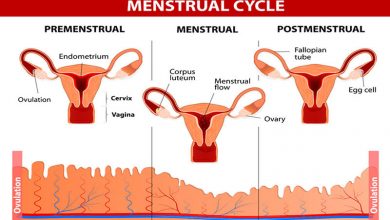
Yes. Menstrual cycles can naturally vary, but persistent changes should not always be ignored. Very heavy bleeding, unusually long periods, severe cramps, irregular cycles, or bleeding between periods may sometimes be linked to an underlying condition.
A gynecologist can look at the complete pattern rather than focusing on one symptom. Depending on your situation, possible causes may include hormonal changes, fibroids, ovarian conditions, thyroid-related issues, medications, pregnancy-related factors, or other health concerns.
Getting these changes assessed can be especially important when menstrual symptoms interfere with your daily activities, sleep, work, exercise, or general well-being.
Why Is Gynecological Care Important Before Pregnancy?
A gynecological consultation can be helpful when you are considering pregnancy. Your doctor can discuss your medical history, medications, menstrual cycle, previous pregnancies, lifestyle factors, vaccinations, and any existing conditions that may affect pregnancy.
Preconception care is not only about fertility. It is also about identifying health concerns beforehand and taking appropriate steps to support a healthier pregnancy.
Women planning to conceive may benefit from discussing their plans with a healthcare professional rather than waiting until pregnancy occurs to address existing health concerns.
Does Gynecological Care Change After Menopause?
Women’s healthcare needs continue to change throughout life. After menopause, concerns such as vaginal dryness, urinary symptoms, pelvic discomfort, and changes in bleeding may become more relevant.
Postmenopausal bleeding should not simply be assumed to be a normal part of aging. It should be discussed with a healthcare professional because there are several possible causes, and some may require further investigation.
Regular healthcare after menopause also gives women an opportunity to discuss changes in their overall health rather than considering gynecological care relevant only during the reproductive years.
What If You Are Unsure Whether You Need a Checkup?
If you have not had a gynecological consultation for a long time, you can discuss your preventive care needs with a doctor even if you currently feel healthy. You do not necessarily have to wait for symptoms before seeking professional advice.
The right frequency of visits varies from person to person. Your age, medical history, reproductive goals, previous screening results, and individual risk factors can influence the type and timing of care you may need.
For women who may need access to different medical specialties, a best multispeciality hospital in Ahmedabad can offer the convenience of having several departments and diagnostic services within the same healthcare setting. This can be particularly useful when gynecological concerns occur alongside other health conditions.
When Should You See a Gynecologist Sooner?
Although regular preventive care is important, certain symptoms deserve earlier medical attention. These can include unusually heavy bleeding, bleeding after menopause, persistent pelvic pain, unusual vaginal discharge, painful intercourse, unexplained changes in your menstrual cycle, or ongoing urinary symptoms.
Severe abdominal or pelvic pain, very heavy bleeding, fainting, or other signs of an emergency require prompt medical attention rather than waiting for a routine appointment.
The purpose of regular gynecological care is not to make women worry about every minor change. Instead, it helps you understand your own health, recognize changes that may need attention, and seek appropriate medical advice when necessary.
How Can You Choose the Right Gynecological Care?
Choosing a healthcare facility is about more than simply finding an appointment. Women may benefit from a hospital where experienced specialists, diagnostic facilities, treatment options, and follow-up care are available according to their individual needs.
When looking for the best gynec hospital in Ahmedabad, it is useful to consider the experience of the medical team, available specialties, diagnostic support, hospital facilities, and the type of care offered throughout different stages of women’s health.
A multispecialty hospital can also be helpful when a woman’s symptoms require input from more than one department. Having access to different specialists can make the process of evaluation and follow-up more coordinated.
Devasya Hospital provides gynecology care along with multiple other medical specialties, allowing women to seek appropriate medical guidance according to their health concerns.
Frequently Asked Questions
How often should I have a gynecological checkup?
There is no single schedule that works for every woman. The appropriate frequency depends on factors such as age, health history, symptoms, reproductive plans, previous screening results, and individual risk factors. Your doctor can recommend a schedule based on your personal healthcare needs.
Do I need to see a gynecologist if my periods are regular?
Yes. Regular periods are generally a positive sign, but they do not provide a complete picture of reproductive health. A preventive consultation can give you an opportunity to discuss screening, contraception, fertility, sexual health, and other concerns relevant to your age and circumstances.
Can a routine gynecological checkup detect cancer?
Certain screening tests can identify some abnormal or precancerous changes before symptoms appear. However, a routine gynecological examination cannot detect every type of cancer. Your doctor can recommend appropriate screening based on your age, medical history, previous results, and personal risk factors.
Should I see a gynecologist for heavy periods?
Yes. Heavy or unusually prolonged periods can have different causes, including hormonal changes, fibroids, polyps, and other conditions. A gynecologist can assess the pattern of bleeding and determine whether further testing or treatment is needed.
Is gynecological care important after menopause?
Yes. Gynecological health remains important after menopause. Symptoms such as vaginal dryness, urinary concerns, pelvic discomfort, or bleeding after menopause should be discussed with a healthcare professional rather than being automatically considered a normal part of aging.
Conclusion
Regular gynecological checkups are ultimately about prevention, awareness, and making informed healthcare decisions. You do not have to wait until something feels wrong before taking care of your reproductive health. A timely consultation can help you understand your personal health needs, stay aware of appropriate preventive care, and address changes before they become more difficult to manage.
For women in Ahmedabad and across Gujarat, choosing a trusted healthcare facility with access to experienced specialists and supporting medical services can make ongoing care more convenient. The right approach is to focus on your individual health needs and seek professional guidance whenever something changes or you have concerns.
Follow – https://www.healthcaresutra.com for More Updates